
When federal funding for California’s Manufacturing Extension Partnership (MEP) Center sunset after 33 years, the state faced the potential loss of a long-standing source of technical assistance, workforce development, and operational support for manufacturers. Roadmap 4 Innovation (R4I) was created to carry that work forward, while establishing a new, independent model designed to meet the evolving needs of California’s manufacturing industry.
Launched as a 501(c)(3) nonprofit, R4I builds on the legacy of California Manufacturing Technology Consulting® (CMTC), the former California MEP Center. Its leadership team brings more than 60 years of combined experience helping manufacturers solve problems, strengthen operations, and pursue sustainable growth. That continuity matters in a state where much of the manufacturing base is made up of small and medium-sized businesses that may not have specialized expertise or additional capacity in-house.
“Roadmap 4 Innovation exists to ensure that manufacturers of all sizes continue to have access to trusted expertise, practical solutions, and cost-effective support so that they can thrive in today’s ever-evolving business and industry landscape,” says CEO Kim Manss.
Diverse Clients, Similar Challenges
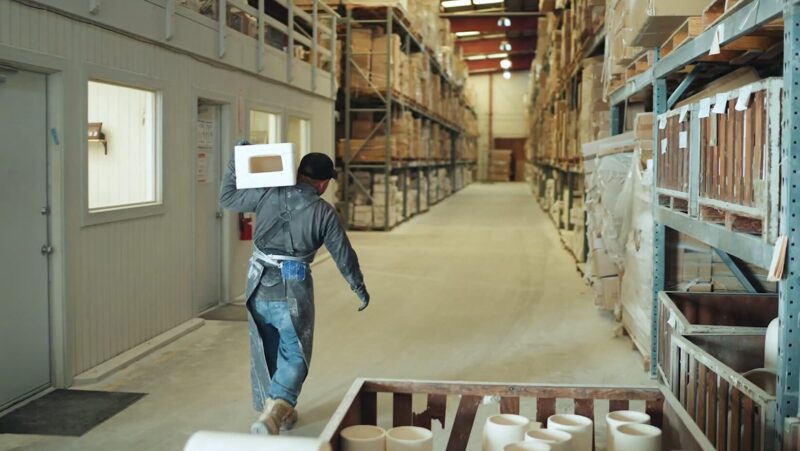
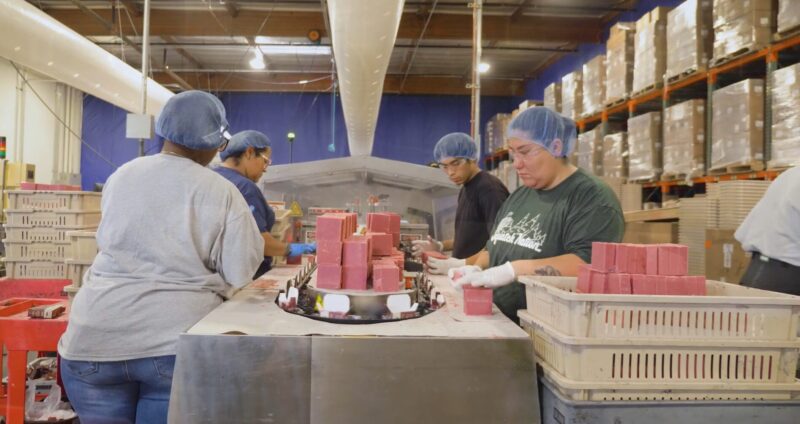
R4I serves the full spectrum of California manufacturing, from aerospace & defense, robotics, and advanced technology companies to food producers, apparel businesses, signage companies, specialty fabricators, and other small makers. Although their products and markets vary, many face the same pressures: rising costs, workforce shortages, changing customer requirements, supply chain disruptions, compliance demands, and the rapid pace of technological change.
The organization’s approach begins by looking beyond the immediate request. A manufacturer may call seeking an ERP system, ISO certification, a new website, or additional production capacity. Before prescribing a solution, R4I steps back to understand the company’s broader goals, constraints, and priorities. Through discovery and assessment, the team helps leadership identify root causes, determine what will create the greatest impact, and develop a practical roadmap for moving forward.
“They don’t always know what they don’t know when they call us,” says COO Kathy McIntyre. “We pull back, talk about the business, and really strategize.” That process may reveal that the most urgent need is not the one originally identified. A company pursuing a quality system, for example, may first need to address workflow or workforce challenges; an entrepreneur planning to build a factory may be better served by a vetted co-manufacturer or supply chain partner.
Building Blocks of Support
R4I then helps manufacturers move from strategy to implementation across ten interconnected service areas:
- Strategic growth
- Marketing and communications
- Continuous improvement
- Safety
- Supply chain
- Business systems
- Quality
- Human resources
- Workforce development
- Cybersecurity
Support is tailored to each manufacturer’s size, stage, resources, and objectives, with an emphasis on measurable improvements rather than one-size-fits-all recommendations.
This broad perspective also allows R4I to support companies over time. As manufacturers grow, win new contracts, enter new markets, adopt new technologies, or encounter new requirements, their priorities change. The team often becomes a trusted sounding board for owners and executives who may not have another senior leader available to help evaluate major decisions.
Training the Next Generation
R4I’s work has implications beyond individual businesses. Helping manufacturers improve productivity, develop employees, meet customer and regulatory requirements, and deploy capital effectively strengthens their ability to remain and grow in California. It also supports quality jobs, resilient regional supply chains, and a more competitive statewide manufacturing ecosystem.
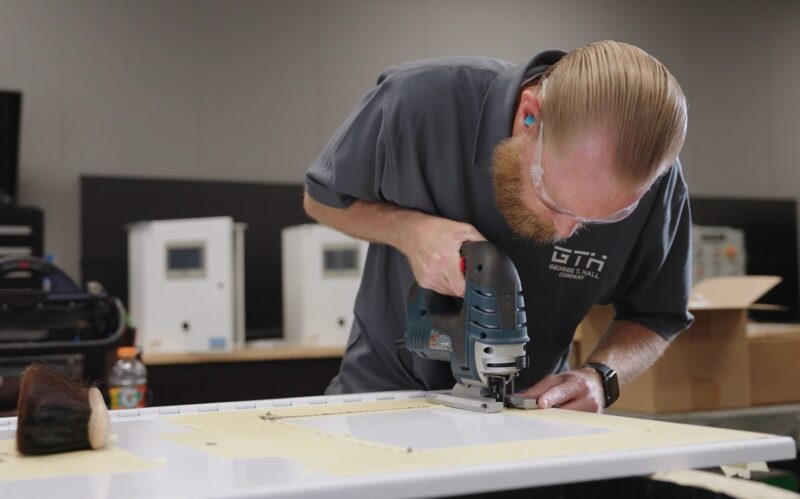
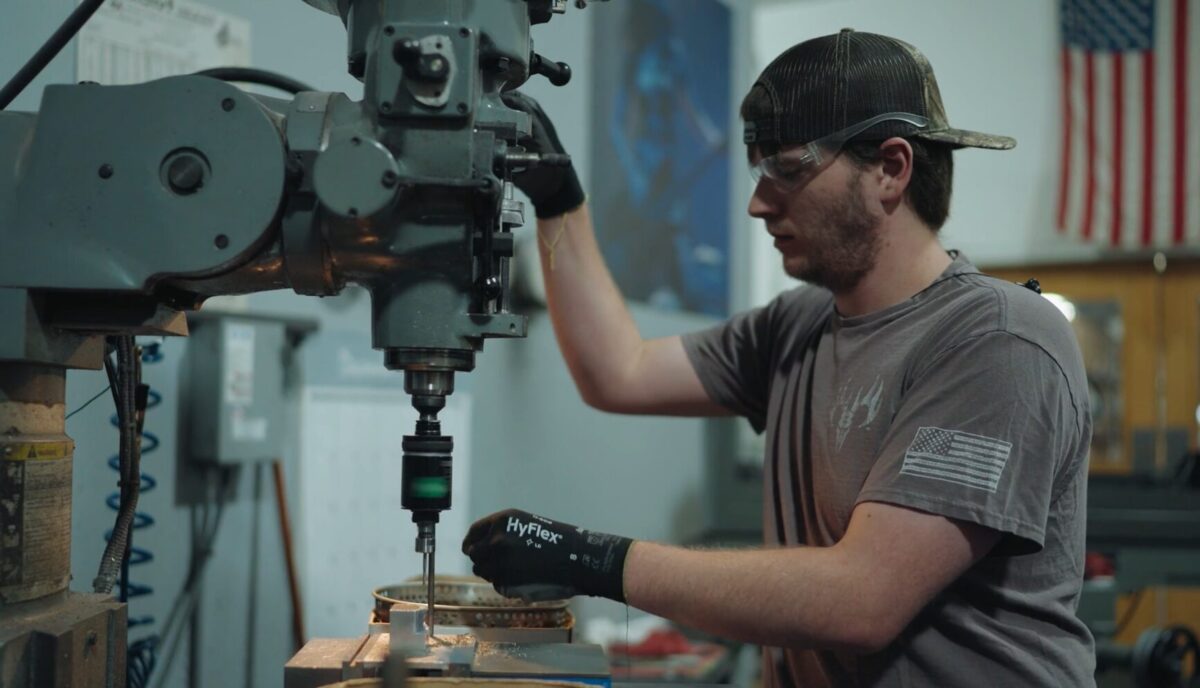
Workforce development is central to that mission. R4I works to connect education, training, and industry needs; help manufacturers strengthen recruitment, retention, cross-training, and leadership development; and challenge outdated perceptions of manufacturing careers. Today’s opportunities increasingly involve automation, robotics, digital tools, cybersecurity, and other advanced technologies, alongside the problem-solving and hands-on skills that have always powered the sector.
“We’re working to dispel the outdated stereotype of manufacturing as the ‘3 D’s’—dull, dirty, and dangerous,” says Rachel Miller, Director of Marketing & Communications. “There are so many interesting, innovative things happening in California manufacturing, and it’s important that we continue sharing that story, especially with the next generation of workers. The innovation taking place across the state is tremendous.”
Looking ahead, R4I is focused on expanding access to expertise, technology, training, capital, and partnerships for manufacturers across the state, including those in rural and underserved communities. Its long-term vision is a California ecosystem in which every manufacturer, regardless of size, location, or resources, has the support needed to innovate, compete, and grow.