
Occupational healthcare and safety are important concerns for every manufacturer and Medcor has been helping all types of businesses provide just about every aspect of worker protection for more than forty years. That includes onsite safety training, safety services, and medical services through its approximately 1700 employees integrated into their clients’ facilities.
Medcor founders Philip Seeger and Bennet Petersen, the current CEO and COO respectively, got the idea for the company while working as EMT/Paramedics and found that they were repeatedly dispatched to various companies over and over. Establishing onsite clinics seemed to them to be a better alternative to handling the injuries and illnesses of staff and visitors, rather than sending ambulances out on a regular basis. Their first location was at a major theme park in Illinois, and within a very short time, the park was so impressed with their reductions in Workers’ Compensation claims that they asked the company to set up clinics at all park locations around the country. The onsite treatment centers were so successful that Medcor then began establishing a presence at work facilities for almost every type of business and today their work site safety staffing and health and wellness clinics extend throughout the U.S. and Canada, in companies with as few as ten employees, up to large multi-national firms.
“Our Construction Division grew out of doing medical support for the World Trade Center. We were there literally within 48 hours of the towers falling, and we were providing all of the medical support for that cleanup,” said Ryan Hunt, the Vice President of Construction Health and Safety.
Preventative Training is Preventative Care
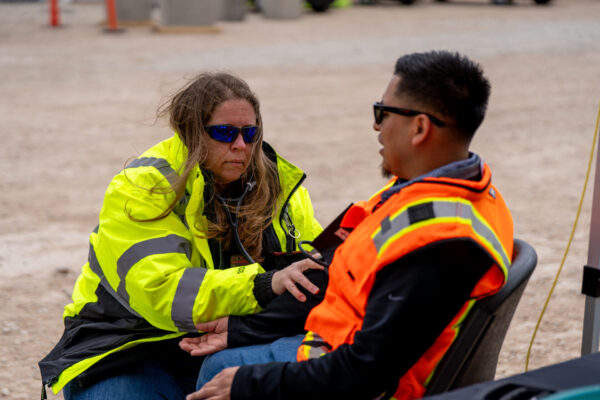
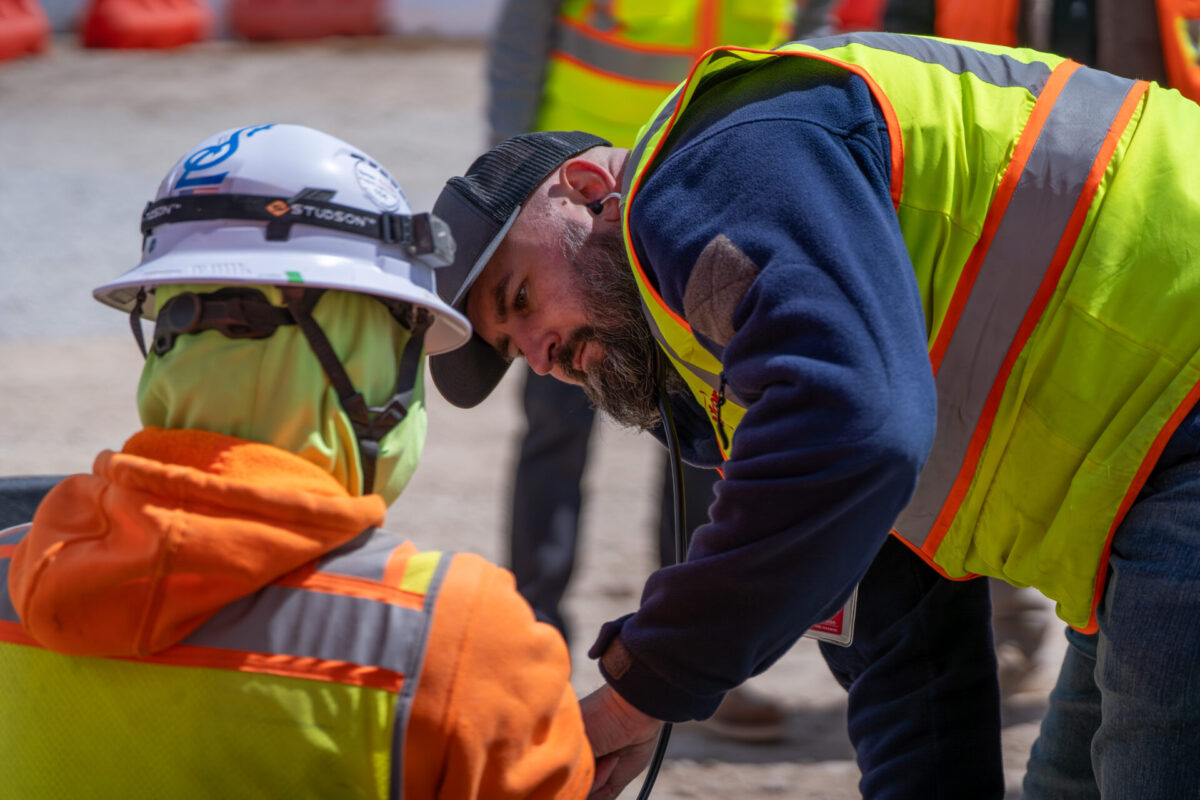
The goal of Medcor’s workplace safety and compliance efforts is to reduce and eliminate injuries by providing an extra set of OSHA-trained professional eyes and ears to their clients’ teams. Medcor’s medical professionals, ranging from EMTs up to physicians, can evaluate and treat injuries and illnesses quickly when they do occur. “When we’re not in the clinic, we don’t just sit idle. We do safety walks, we do fire extinguisher checks, we make sure that we’re integrated with not only the leadership, but the safety team, and the actual populace that’s working there,” Hunt added. “One of our biggest means of getting people to trust us is being able to be a part of that community where we’re working so people know who we are by name, and they want to come see us, and they trust us. They understand that if they come to see us, they’re going to get treated and be able to get back to work.”
Benjamin Backsmeier, Vice President of Medcor’s Telehealth Division, says, “Our goal is to make sure that the employee gets the right level of care at the right place, at the right time, whether we can treat it onsite, or we expedite them to an offsite, higher level of care that we can treat them.”
Experienced and Cohesive Teams
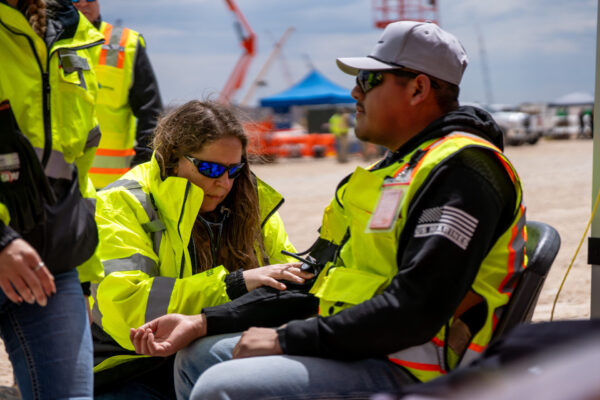
Medcor’s staff includes a high number of people with military and/or first responder backgrounds, so they are experienced in quickly evaluating situations and planning a course of action that will provide the best results, as well as in acting as a cohesive team in serving their customers. Further, the company relies on full-time employees, rather than contractors, so that training and team building are part of the equation in strengthening the value of the services they offer.
Being able to treat injuries immediately helps to improve outcomes and keeps small issues from becoming larger. That, combined with their teletriage services and proprietary technology to monitor patient care, results in fewer off-site and ER visits for workers, unnecessary insurance claims, and time lost on the job.
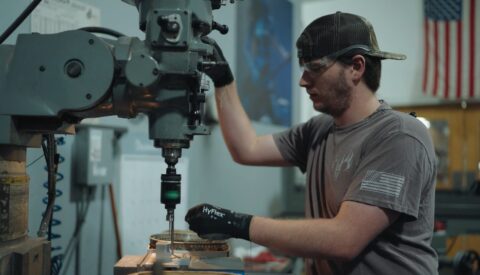
With manufacturing industries coming back to the country, often the potential workforce is not knowledgeable about factory environments, and Backsmeier says, “We can help your less experienced workforce learn how to be smart and stay healthy, while we help you grow your business, as well.”
Offering Mental and Physical Care
Mental health and wellness are also an important part of Medcor’s offerings, on top of their physical treatment and prevention efforts, providing all aspects of complete care for workers. In some rural areas, the company’s clinics even add to the availability of medical care for the community outside of their customers’ workplaces.
Backsmeier describes some of the wide-ranging benefits of their services by saying, “What’s kind of unique about us in the manufacturing space, and the blue-collar industry spaces, is that we see the full fabric of America. We’re in all the small towns, we understand the struggles when you have new employees, like when you have eighteen-year-olds working at an automotive plant, and they don’t know what they’re doing, and they’re getting hurt. Things like folks that are lifting with their backs, instead of their knees, and we’re there to help them.”
He continues, “As companies look to re-shore opportunities, and they start thinking about these small towns where there may be health deserts, where there may not be practitioners, we’re there to help. That should not be the reason for a company to say ‘keep it in China, or keep it in Malaysia’. There are successful examples of small businesses, all the way up to big businesses, building out factories in the U.S., and we’re going to be there, and we can help them make sure they have the right workforce, and a healthy workforce, for whatever they’re trying to do.”