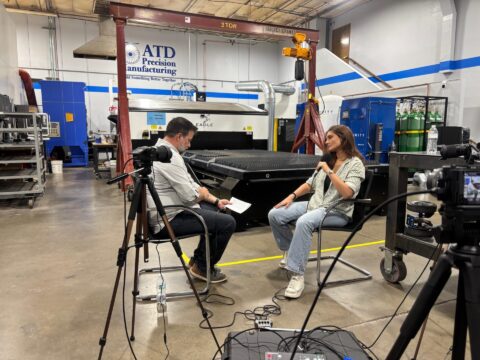
In a recent episode of SME’s “Manufacturing the Workforce of Tomorrow” podcast, Dr Deb Folzer, the organization’s newly appointed Vice President of Workforce Development, shared insights from the Manufacturing Imperative Workforce Pipeline Challenge. This initiative, which Folzer envisioned and spearheaded, aims to align community colleges with the evolving needs of industry.
Manufacturing is at a pivotal crossroad and it has been for years, but it’s just becoming more and more exacerbated as technology innovation is really advancing at an unprecedented pace. And it really threatens our workforce and undermines America’s global competitiveness.
The challenge brings together 25 community colleges nationwide, each serving as a “workforce development agency” for their local community. SME works with these schools to convene key stakeholders — employers of all sizes, community organizations, economic development agencies, K-12 partners — to gather insights on the most pressing needs and potential solutions.
These local findings are then aggregated into a national impact report, allowing SME to identify systemic issues facing community colleges across the country. The resulting roadmap guides collaborative efforts to tackle shared challenges across sectors.
One promising solution that has emerged from the pilot projects is the use of AI tools to engage potential students. In one example Folzer shared, a targeted campaign reached over 226,000 individuals in just three rural Virginia colleges, with nearly 800 expressing interest in learning more about manufacturing careers.
So we know there’s interest when it’s brought to the attention of our communities… Knowing that it takes a while to get a learner from learning about opportunities to discerning what is the best path for them, learning more about the program opportunities, but we feel like this accelerated engagement and really engagement at that person level to understand what those barriers are, we can then look at it based on the demographics.
But generating interest is only part of the equation. The challenge has also highlighted the need for better awareness of lesser-known manufacturing roles, as well as the critical shortage of qualified faculty, especially in career and technical education (CTE) programs.
Perhaps most importantly, the initiative has underscored the vital role of industry involvement in keeping training programs aligned with the rapid pace of change. Through efforts like SME’s Manufacturing Association Advisory Council (MAC), the organization is working to facilitate ongoing dialogue and collaboration between educators and employers.
While there’s no silver bullet for the manufacturing skills gap, Folzer is optimistic about the power of collective action. “Together we are stronger,” she emphasized. By convening stakeholders, sharing best practices, and piloting innovative solutions, SME’s Workforce Pipeline Challenge is laying the groundwork for a more resilient, future-ready manufacturing workforce.
To learn more about SME’s workforce development initiatives, visit sme.org. Subscribe to the “Manufacturing the Workforce of Tomorrow” podcast for the latest trends and insights from industry leaders.