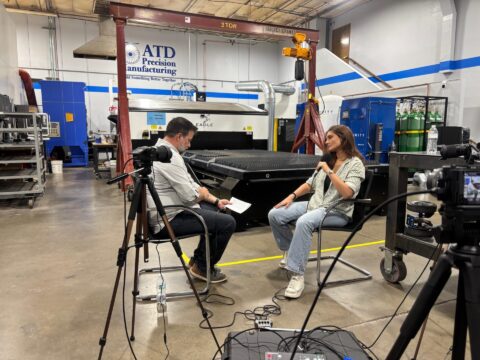
In the latest episode of the Augmented Ops podcast from Tulip Interfaces, host Natan Linder sits down with Bob Buhlmann, AstraZeneca’s head of quality digital and computer strategy, to discuss the evolution of technology in the pharmaceutical industry and the challenges and opportunities associated with adopting digital solutions. Buhlmann, a veteran of the industry with over 35 years of experience in quality, shares his insights on the barriers to technology adoption, the rise of AI and robotics, and the importance of collaboration between the industry and regulatory agencies.
One of the key themes that emerges throughout the conversation is the need for a risk-based approach to validation when implementing new digital technologies. Buhlmann highlights the limitations of traditional waterfall and Agile methodologies, emphasizing the importance of defining intended use and verifying functionality through testing.
“So Tulip, we have to build applications, right? We can build, let’s say any app we want, and that sits on the Tulip platform. So if you have no apps on it, what’s the intended use? And people go back and now they’re writing validation plans and specifications on the platform and coming back and telling us the platform has an audit trail and everything’s wonderful, but what did that do for us? What did that do for us? And nobody knows.”
Buhlmann recounts AstraZeneca’s experience implementing Tulip, a frontline operations platform, and the challenges they faced in validating applications using existing processes. To address these challenges, Buhlmann and his team developed the Tulip Lifecycle Solution (TLS), a streamlined validation approach that categorizes applications based on risk and applies customized validation life cycles accordingly.
The benefits of TLS are numerous, including consistency and documentation throughout the entire validation process, replacing multiple systems and paper-based processes with a single, integrated solution. Buhlmann’s innovative approach demonstrates the potential for human-centric industrial software to empower users to take control and fashion technology within the constraints of quality and regulatory requirements.
So everybody has to tap into the global one. So everybody follows the same process and then you have your local systems. So we went through it and we got it done a couple of years ago. And I told Don and Pippin, I said, you know, Philip’s way ahead of their time. This is fantastic. Look what we did. We built 12 Tulip apps for an entire life cycle.
The podcast also delves into the rise of AI and robotics in the pharmaceutical industry, with Buhlmann predicting that robotics has the potential to become the biggest industry in history. He stresses the importance of collaboration between the industry and regulatory agencies to ensure the safe and effective adoption of these technologies, suggesting a grading system based on data to focus inspections and streamline the approval process.
As the pharmaceutical industry continues to evolve and embrace digital transformation, the insights shared by Bob Buhlmann and Natan Linder provide a valuable roadmap for navigating the challenges and opportunities that lie ahead. By adopting a risk-based approach to validation, empowering users to take control of technology, and fostering collaboration with regulatory agencies, the industry can unlock the full potential of digital solutions and drive innovation in the pursuit of improved patient outcomes.
To learn more about Tulip Interfaces and their frontline operations platform, visit tulip.co. Subscribe to the Augmented Ops podcast on LinkedIn, YouTube, or wherever you listen to your podcasts for more insightful conversations on the future of manufacturing and industrial technology.