
January marked the first return to expansion for U.S. manufacturing in over a year, as factory activity rebounded on stronger new orders and rising production. The shift broke a long contraction streak and signaled that buyers are beginning to reengage after months of hesitation.
But the details matter. Much of the improvement appears tied to post-holiday reordering and efforts to get ahead of expected cost pressures. That suggests demand is loosening rather than surging. For small and mid-sized manufacturers, this looks like customers placing shorter-horizon orders—testing capacity without fully committing. It’s movement in the right direction, but not yet confirmation of a durable upswing.
Sector Signal: Transportation Equipment and Industrial Machinery Lead
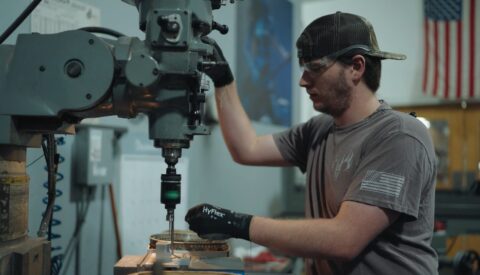
Within the broader rebound, transportation equipment and industrial machinery stood out as consistent contributors to January’s gains. These sectors sit at the heart of automotive-adjacent manufacturing and heavy equipment production—industries that depend on dense, coordinated supplier networks.
When activity returns here, it doesn’t concentrate in a single facility. It spreads across regional ecosystems of machine shops, fabricators, and specialty manufacturers. That makes this sectoral strength especially meaningful for small manufacturers embedded in domestic supply chains, where proximity and collaboration are competitive advantages.
The Week’s Quiet Win: Labor Stability in Energy and Refining
One of the most important manufacturing stories this week was what didn’t happen. A nationwide refinery strike was narrowly avoided after labor and management reached an agreement, preventing disruption across energy, chemicals, transportation, and downstream manufacturing.
Refining sits upstream of a vast portion of U.S. industrial activity. Any prolonged stoppage would have quickly translated into cost spikes and availability issues. The resolution underscored a reality manufacturers increasingly recognize: labor stability in foundational sectors is now a strategic input, not background noise.
Data Gaps Complicate an Improving Picture
A federal government shutdown delayed the release of the January jobs report, reducing visibility into near-term labor conditions just as manufacturing activity began to improve. Large companies can absorb that uncertainty. Smaller manufacturers feel it immediately, as hiring, capital spending, and sourcing decisions rely on timely signals.
Looking Ahead
This week didn’t declare a manufacturing boom—but it did show the system starting to move again. Early-cycle sectors tied to physical production and domestic supplier networks are leading the rebound. The next test is durability: sustained orders, stable labor conditions, and clearer data. For now, momentum is back—but caution remains part of the plan.