
If you’ve been waiting for another headline-grabbing manufacturing announcement, this wasn’t that kind of week. Instead, the data told a quieter—but arguably more important—story. The Institute for Supply Management’s June Manufacturing PMI marked the sixth consecutive month of expansion, reinforcing that U.S. manufacturing is building momentum through consistency rather than spikes.
That matters because durable manufacturing growth isn’t driven by a single billion-dollar factory or one policy announcement. It’s the cumulative effect of thousands of manufacturers investing in equipment, adding capacity, strengthening supplier relationships, and positioning themselves for long-term demand. June’s data suggests exactly that is happening. New orders remain healthy, production continues to expand, supplier deliveries are improving, and cost pressures have begun to ease. It’s a picture of an industry becoming more stable—and more resilient.
Three Key Insights
- 6 straight months of expansion: U.S. manufacturing posted its sixth consecutive month of growth in June, with the ISM Manufacturing PMI registering 53.3.
- Costs are easing: Lower energy prices helped reduce input cost pressures while supplier deliveries continued improving.
- Production is outpacing hiring: New Orders reached 56.0 and Production measured 52.2, while the Employment Index remained below expansion at 49.7.
Six Straight Months of Expansion
The Story
The June ISM Manufacturing PMI registered 53.3, extending manufacturing’s expansion streak to six consecutive months. Although growth moderated slightly from May, the underlying indicators remained encouraging. New orders continued expanding, production remained solid, and multiple manufacturing industries—from machinery to transportation equipment and electronics—reported continued growth.
Why It Matters
Consistency creates confidence. When manufacturers see sustained demand instead of short-lived spikes, they’re more willing to invest in new equipment, qualify domestic suppliers, and pursue long-term capital projects. That’s especially important for the thousands of small and mid-sized manufacturers that make up America’s industrial base.
The Bigger Picture
This isn’t a manufacturing boom fueled by one industry. It’s broad-based expansion that suggests the sector is transitioning from recovery toward sustainable growth.
Investment Continues to Flow Into Advanced Manufacturing
The Story
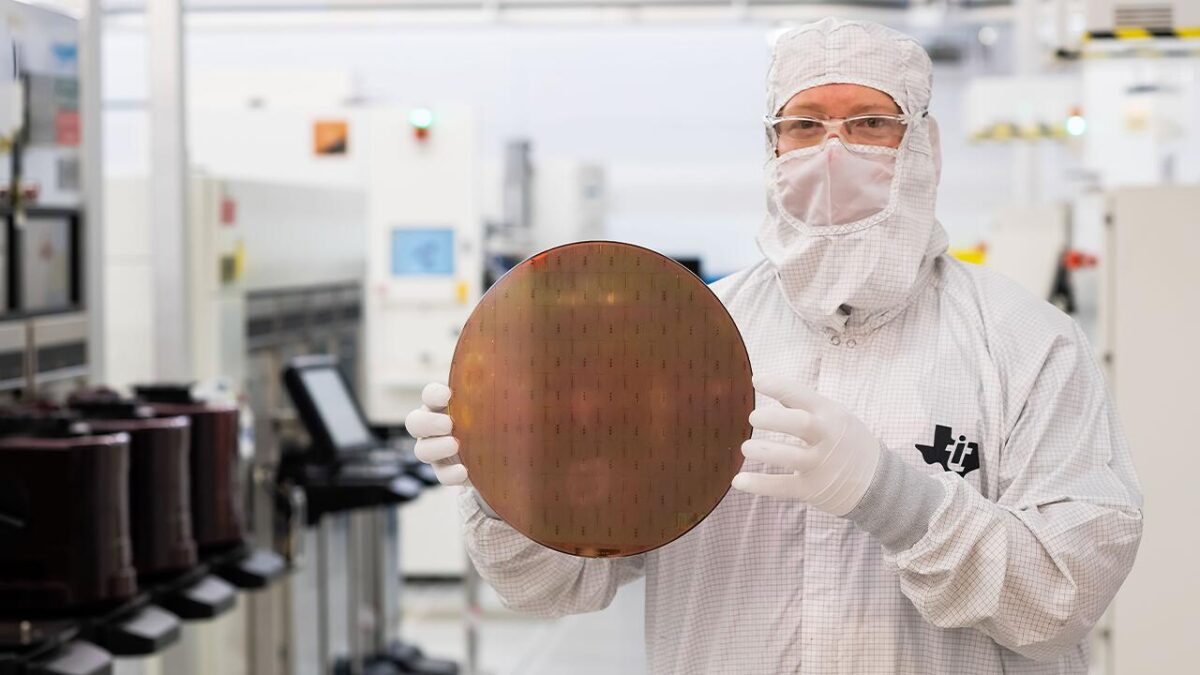
One of the strongest-performing sectors in this month’s ISM report was Computer & Electronic Products, continuing a trend that has been building for several years. Companies such as Texas Instruments, which is investing tens of billions of dollars in new semiconductor manufacturing capacity across Texas and Utah, exemplify the long-term confidence manufacturers are placing in domestic production. While those facilities won’t come online overnight, the investment is already creating opportunities for equipment suppliers, precision machine shops, materials companies, automation providers, and construction firms throughout the manufacturing ecosystem.
Why It Matters
Large manufacturing investments rarely benefit only one company. Every semiconductor fabrication facility depends on thousands of suppliers providing machining, tooling, specialty materials, industrial automation, packaging, logistics, and maintenance. When advanced manufacturing grows, small manufacturers grow alongside it.
The Bigger Picture
America’s manufacturing renaissance won’t be built solely by marquee companies. It will be built by the long tail of small businesses that become trusted suppliers to those investments. That’s how distributed manufacturing networks create lasting competitive advantage.
Cost Pressures Continue to Ease
The Story
Manufacturers received another encouraging signal as input cost inflation moderated during June. Stabilizing energy prices helped reduce pressure on raw material costs, while supplier delivery performance continued improving across many industries.
Why It Matters
Predictability is one of manufacturing’s most valuable resources. More stable costs make it easier to quote work, manage inventories, and invest with confidence instead of reacting to constant disruption.
The Bigger Picture
The strongest supply chains aren’t those that never experience disruption—they’re the ones that recover quickly because manufacturers have strong supplier relationships and multiple sourcing options.
Production Is Growing Faster Than Hiring
The Story
The Employment Index remained just below expansion territory at 49.7, even as production and new orders continued growing.
Why It Matters
Manufacturers continue increasing output, but many remain constrained by skilled labor shortages. Productivity gains and technology investments are helping bridge the gap, yet people remain the industry’s most valuable asset.
The Bigger Picture
Long-term manufacturing competitiveness depends on pairing advanced technology with a strong workforce. The companies investing in both will be best positioned for the decade ahead.
Around the Horn
- Manufacturing expanded for the sixth consecutive month.
- New Orders reached 56.0, signaling continued customer demand.
- Supplier deliveries improved again in June.
- Input cost inflation moderated from May.
- Employment remained the weakest major indicator at 49.7.
- Multiple sectors—including machinery, transportation equipment, chemicals, and electronics—reported continued expansion.
- ISM noted current manufacturing activity remains consistent with roughly 2% annualized real GDP growth.
Looking Ahead
This week’s headlines reinforce a trend that’s becoming harder to ignore. American manufacturing isn’t relying on one industry, one company, or one policy to drive growth. Instead, momentum is being built the same way manufacturing has always succeeded in America: through thousands of businesses investing, collaborating, and solving problems together.
As we celebrate Independence Day, that’s worth remembering. The strength of American manufacturing has never come from a handful of giant factories. It comes from an extraordinary network of manufacturers, suppliers, and skilled workers spread across every state. Six months of expansion doesn’t mean the work is finished—but it does suggest the foundation for long-term growth is becoming increasingly solid.