
When Mike Kubacki started his manufacturing career at age 20, he had no idea how far it would take him. Nearly two decades later, as a Project Coordinator at the Composites Institute (IACMI), he’s on a mission to build the next generation of skilled workers that America’s defense industry desperately needs.
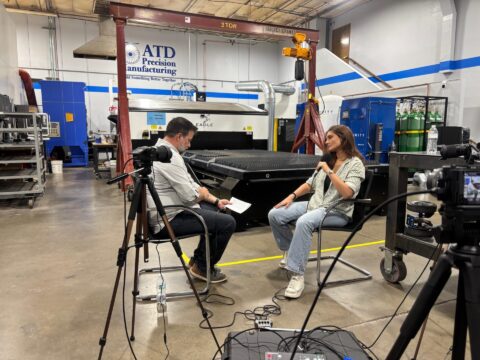
“Workforce shortages in the US casting and forging industry and supply chain do pose a significant risk to the US industrial base,” Kubacki explained on a recent episode of the Manufacturing Executive podcast. “According to the Defense Logistics Agency, 92% — somewhere between 90 and 92% — of specialized end items used in defense platforms have some part of cast or forged parts that could include ships, submarines, aircraft, ground combat vehicles.”
As foundries shutter and skilled tradespeople retire, that risk is growing. The Navy alone plans to hire 10,000 people per year over the next decade to support its shipbuilding efforts. But with the average age of the manufacturing workforce hovering around 44, and decades of hands-on knowledge walking out the door, filling those roles is no simple task.
In sectors like casting and forging where work is often technical and passed on through decades of hands-on experience, those retirements could create major skill gaps.
That’s where Kubacki and the IACMI team come in. Through the METAL initiative (Metallurgical Engineering Trades, Apprenticeship, and Learning), they’re working to bolster the defense industrial base by providing online training curricula and partnering with organizations like Jobs for the Future to establish apprenticeship programs.
The approach is resonating with manufacturers. Kubacki pointed to the success of Wisconsin Aluminum Foundry, which used METAL’s support to expand its work-based learning program, purchase supplies, and create a dedicated trainer position. For the trainer, it was an opportunity to invest in his own career growth. “He knows that if he wants to be a supervisor or manager someday, he’s going to have someone in his job who’s able to do his job effectively and efficiently,” Kubacki explained.
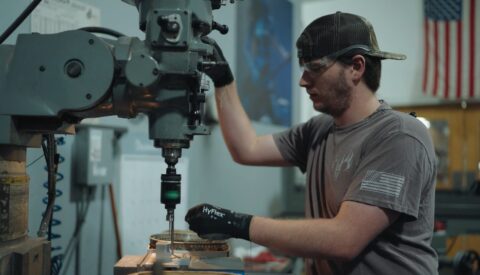
It’s a mindset that Kubacki understands firsthand. When he started in manufacturing, he was making just $8.25 an hour as an operator. But with his company’s support, he was able to go to school, grow his career, and eventually support a family of four. Along the way, he learned the importance of connecting his day-to-day work to the bigger mission.
To realize how important some of this work is and what it can do — it’s the same in casting and forging. If you’re making an engine blade for an aircraft carrier, right? That can’t fail in the field.
For manufacturing leaders struggling with turnover and hiring, Kubacki offers several pieces of advice. Use online curricula to onboard and upskill workers. Remind your workforce of the importance of their work, especially in the defense sector. Engage in K-12 outreach to build your future pipeline, particularly by introducing girls to STEM fields by third grade. And take advantage of the apprenticeship programs that initiatives like METAL provide.
The road ahead isn’t easy. But as Kubacki’s own career demonstrates, the opportunity in manufacturing has never been greater for those with the right skills and mindset. By investing in the next generation of talent — and connecting their work to the mission of defending the nation — manufacturers can forge a future as strong as the components they create.
To learn more about the METAL initiative and its apprenticeship programs, visit metalforamerica.org. For more on IACMI and its workforce development efforts, go to iacmead.org.