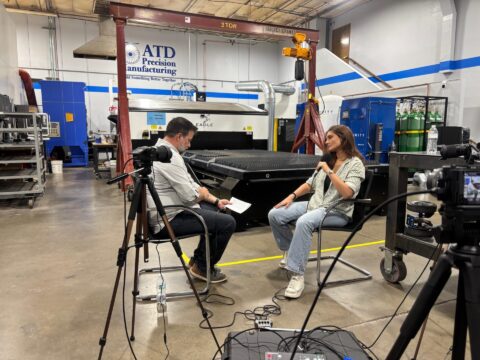

In a recent episode of the Manufacturing Happy Hour podcast, John Hughes, Eric Skie, and Aaron Trout shared insights on how manufacturers can think differently about securing the resources to fuel their growth. The key, they argued, is understanding how lenders and investors view your business — and positioning yourself accordingly.
Banks are in the business of lending money. So you go to a bank and they’re looking for a reason to say yes, right? They’re trying to find a way to yes because that’s their business.
“And so I think the biggest issue when you’re going to access that capital, whether it’s capital from a bank or from an investor group or something like that or a private capital source, is just understanding the way they look at an investment or how they look at a prospect to lend money to.”
One critical lens that lenders and investors will apply to your business is profitability. But as the CLA team emphasized, profitability isn’t just a function of market conditions — it’s a decision that manufacturers have significant control over.
“Every day when we come into the shop, we’re making decisions around how we’re going to leverage those resources of the shop,” noted Hughes. “So when I say profitability is a decision, it’s really what are the decisions that we’re making at the shop to leverage those resources? How do we take that capacity that we have there inside our four walls and use that to generate orders to generate cash flow?”
Trout added that optimizing your production mix is key to driving profitability. “Oftentimes companies chase revenue, and that can lead to taking on business that maybe doesn’t fit as well with their core capabilities,” he cautioned. “And so you get the revenue, but it may come at the expense of profitability.”
The CLA principals also highlighted the importance of using your financial statements — balance sheet, income statement, and cash flow statement — to paint a comprehensive picture of your business’s health and potential. Lenders and investors will scrutinize these documents to assess your ability to generate consistent profits, manage cash flow, and provide collateral.
But as Skie pointed out, the story your financials tell is just the beginning. “What a bank is really looking for is they’re looking for the story behind the numbers,” he emphasized. “And that’s where the opportunity is for a business owner or the management team to really articulate what’s going on in their business.”
They want to know what’s your backlog, what’s your pipeline, how much of your current revenue is coming from repeat customers — things that aren’t necessarily showing up on the financial statements but really give some color to what’s happening.
Beyond traditional bank financing, the CLA team also encouraged manufacturers to explore alternative capital sources like private equity, family offices, independent sponsors, and specialty lenders. While these options may come with more strings attached, they can also provide valuable guidance and perspectives to help accelerate your growth.
The episode also touched on some timely strategies for manufacturers to consider as 2025 draws to a close, including leveraging bonus depreciation changes in the 2023 tax law and tapping into the Small Business Administration’s Made in America initiative to access financing for equipment, working capital, and real estate.
Throughout the conversation, one theme emerged again and again: the importance of being intentional and proactive in pursuing the capital your business needs to thrive. By understanding how lenders and investors think, telling a compelling story with your financials and beyond, and exploring a range of funding options, you can position your manufacturing business for growth — no matter what the future holds.