
U.S. manufacturing in September 2025 presented a more restrained picture after the summer’s modest rebound. Output indicators suggested that the sector remained resilient, though demand showed renewed weakness. The S&P Global Manufacturing PMI signaled continued expansion, while the ISM® Manufacturing PMI stayed below the 50 mark, pointing to another month of mild contraction. Taken together, the surveys depict an industry maintaining operational stability but not yet achieving broad-based growth.
At the same time, forward-looking indicators softened. New orders, a leading signal of demand, slipped back into contraction, and employment levels continued to lag as manufacturers avoided large-scale hiring. These figures suggest that the recent momentum observed in late summer may be leveling off as firms adapt to slowing domestic orders, lingering tariff impacts, and shifting inventory dynamics.
Despite the subdued data, capital investment in U.S. manufacturing remained strong. September brought a surge of large-scale factory announcements across various sectors, including automotive, energy, and electronics. From Stellantis’s $13 billion U.S. expansion to Hitachi Energy’s $457 million transformer plant in Virginia, these projects highlight ongoing confidence in America’s industrial capacity—even as near-term sentiment softens. The continued stream of reshoring and advanced manufacturing investments underscores the structural tailwinds underpinning U.S. industry.
Overall, September reflected both resilience and realism: production and investment activity remain solid, but sustained recovery depends on demand catching up. Manufacturers are holding the line on output while recalibrating for a more cautious close to the year.
A Month in Data
Both major purchasing manager indices painted a mixed but telling picture of manufacturing activity in September. The S&P Global U.S. Manufacturing PMI registered 52.0, down slightly from August’s 52.2, indicating continued expansion though at a slower pace. Analysts noted that production increased for a fourth consecutive month, supported by backlog work and improved supplier delivery times, but new order growth weakened.
By contrast, the ISM Manufacturing PMI® came in at 49.1%, up modestly from 48.7% in August but still below the 50-point threshold separating expansion from contraction. This marked the seventh consecutive month of overall contraction, though at a milder pace.
The ISM New Orders Index fell back to 48.9% after briefly expanding in August (51.4%), signaling that order books shrank again late in the month. Meanwhile, the ISM Employment Index rose to 45.3% from 43.8% in August—an improvement, but still reflective of cautious labor practices. Many firms continued limiting hiring as they assess near-term demand.
Pricing pressures eased slightly, with ISM’s Prices Index at 52.5%, down from 54.2%, suggesting some moderation in input costs. However, supply managers cited ongoing tariff-related expenses and higher transportation costs, hinting that inflationary risks have not fully subsided.
In short: production remains steady, but the softness in orders and continued restraint in hiring highlight a manufacturing economy that is holding its ground rather than accelerating.
What the Data Means
September’s readings show a manufacturing sector still in a holding pattern—neither contracting sharply nor expanding decisively. The divergence between S&P Global and ISM reflects the composition of their panels: S&P’s mix of export-oriented and mid-sized producers shows output expansion, while ISM’s more domestic-heavy sample continues to experience demand headwinds.
Much of the current activity is being supported by inventory management and pre-tariff stocking rather than a surge in fresh demand. Companies appear to be working through earlier material purchases, temporarily sustaining production levels. The return of ISM’s New Orders below 50 suggests that once this inventory cycle unwinds, some moderation in output could follow in Q4.
Employment remains a weak spot. The ISM Employment Index at 45.3 indicates manufacturers are still hesitant to add headcount, preferring overtime or temporary contracts. Labor availability and wage costs remain factors, but it’s clear that demand uncertainty—not supply constraints—is now the main brake on hiring.
The broader takeaway is one of cautious equilibrium. Factories are stable, order pipelines are thinner, and inflationary inputs are cooling but not fully resolved. The industrial outlook heading into year-end will depend on whether new orders revive before the current inventory cushion runs its course.
New Factory and Manufacturing Announcements
Stellantis – $13 Billion U.S. Expansion
Stellantis announced a $13 billion investment over the next four years to expand its manufacturing operations in the United States. This initiative aims to increase domestic vehicle production by 50% and create over 5,000 new jobs, distributed across plants in Illinois, Ohio, Michigan, and Indiana. The investment supports the launch of five new vehicles, including a Dodge Durango in Detroit and a midsize truck in Toledo, as well as a relaunch of the Jeep Cherokee and ICE Dodge Charger. AP News
Hitachi Energy – $457 Million Transformer Facility (Virginia)
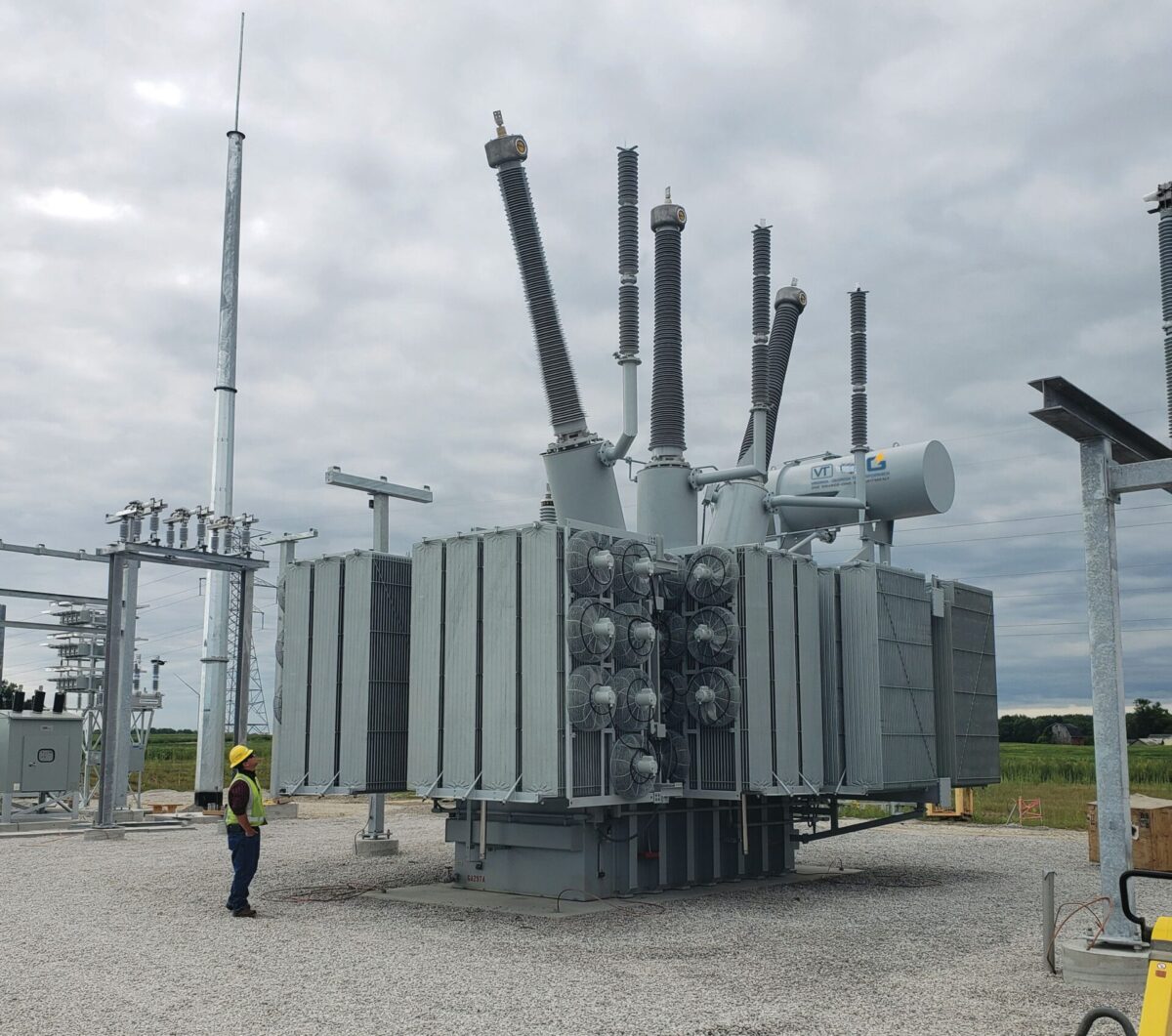
Hitachi Energy will invest $457 million to expand its power transformer production facility in Virginia, creating 825 jobs. Once complete, the campus will be the largest manufacturing site for large power transformers in the United States. The project aims to support the growing demand for transformers needed for renewable energy projects and data center expansions. IndustrySelect
JPMorgan Chase – $1.5 Trillion Strategic Investment Plan
JPMorgan Chase unveiled a $1.5 trillion, decade-long initiative aimed at bolstering industries deemed essential to U.S. national security. The plan includes up to $10 billion in direct equity and venture capital investments in selected U.S.-based companies to drive growth, innovation, and strategic manufacturing. The initiative targets sectors such as supply chain and manufacturing, defense and aerospace, energy independence, and frontier technologies. Investopedia
Mega Metal – $34 Million Copper Wire Plant (South Carolina)
Mega Metal, a Turkish copper wire manufacturer, selected Fairfield County, South Carolina, for its first U.S. operation. The $34 million investment will create 135 new jobs at a 91,000-square-foot facility in Ridgeway. The plant will manufacture superfine electrolytic oxygen-free (EOF) copper wire, with operations expected to begin in September 2025. IndustrySelect
Apple – $100 Billion U.S. Manufacturing Investment
Apple announced a $100 billion investment in U.S. manufacturing, marking one of the largest commitments by a tech company to domestic production. The investment is expected to create thousands of jobs across various states, focusing on advanced manufacturing technologies and supply chain enhancements. The White House
Future Outlook
September underscored manufacturing’s split narrative: steady output backed by investment strength, offset by weak order momentum and hiring hesitation. The sector’s underlying fundamentals—supply-chain resilience, reshoring incentives, and long-cycle industrial demand—remain supportive, but near-term growth depends on a recovery in domestic and export orders.
Manufacturers are expected to stay cautious heading into Q4. With inventories elevated and the orders-to-inventory ratio falling, production growth could moderate. However, the sheer scale of ongoing capital projects in pharmaceuticals, clean energy, and advanced materials provides a strong floor under industrial activity.
Looking ahead to 2026, the pipeline of new facilities breaking ground this year will increasingly influence local economies, labor markets, and supply ecosystems. If demand stabilizes, this wave of investment could help turn 2025’s tentative plateau into a more durable expansion phase next year. For now, September’s message is one of steady hands amid softening demand—a reminder that U.S. manufacturing’s long game remains firmly in motion, even as its short-term footing remains cautious.