
U.S. manufacturing expanded again in October 2026, with strong demand supporting factory activity as rising costs and slower deliveries complicated operations. Both major purchasing managers’ indexes remained above 50, the threshold that separates expansion from contraction.
The month also brought major factory announcements and construction milestones in pharmaceuticals, automotive and aerospace. IndustrySelect’s October roundup points to substantial additions to domestic capacity, although many projects will take years to reach production.
A Month in Manufacturing Data
The Institute for Supply Management’s Manufacturing PMI rose to 55.5 from 54.5 in September, marking the sector’s tenth consecutive month of expansion. Its production index climbed to 59.0, the highest since November 2021, while new orders edged up to 55.5 from 55.3.
ISM’s employment index remained in expansion territory, although it eased to 52.4 from 52.7. Supplier deliveries slowed further, with that index reaching 59.1; a reading above 50 indicates longer delivery times. ISM’s prices index fell to 75.2 from 77.9, indicating that price increases remained widespread even as the index moderated.
S&P Global’s final U.S. Manufacturing PMI slipped to 54.9 from 55.9, but October was still its third-highest reading since May 2022. S&P linked some demand to AI-related investment and precautionary inventory building.
Cost pressures intensified in that survey. Manufacturers raised selling prices at the fastest pace since September 2022, while input-cost inflation accelerated to its second-highest rate in more than four years. Delivery times lengthened the most since mid-2022. Hiring improved, but unfinished work continued to accumulate rapidly.
What the Data Means
Despite their different monthly movements, both reports describe an expanding sector under operational strain. They also differ on costs: ISM recorded a lower prices reading, while S&P reported accelerating input inflation. Neither supports assuming that pricing pressure has passed.
That tension was clear in ISM’s follow-up discussion. Survey chair Susan Spence noted that even favorable comments often included concerns about business conditions. Stronger factory activity can coexist with uncertainty about the cost and reliability of the next shipment.
For manufacturers, the implication is to test production plans against current supplier lead times and material quotes. Additional orders will do less for profitability if costs rise after a job is priced, or if missing parts delay delivery.
Factory Investments and Project Updates
October’s projects span new plants, additions to existing facilities and groundbreakings on previously announced investments. Their potential supplier opportunities range from construction and production equipment to ongoing components and services.
Aerospace and Defense Add Capacity in Texas
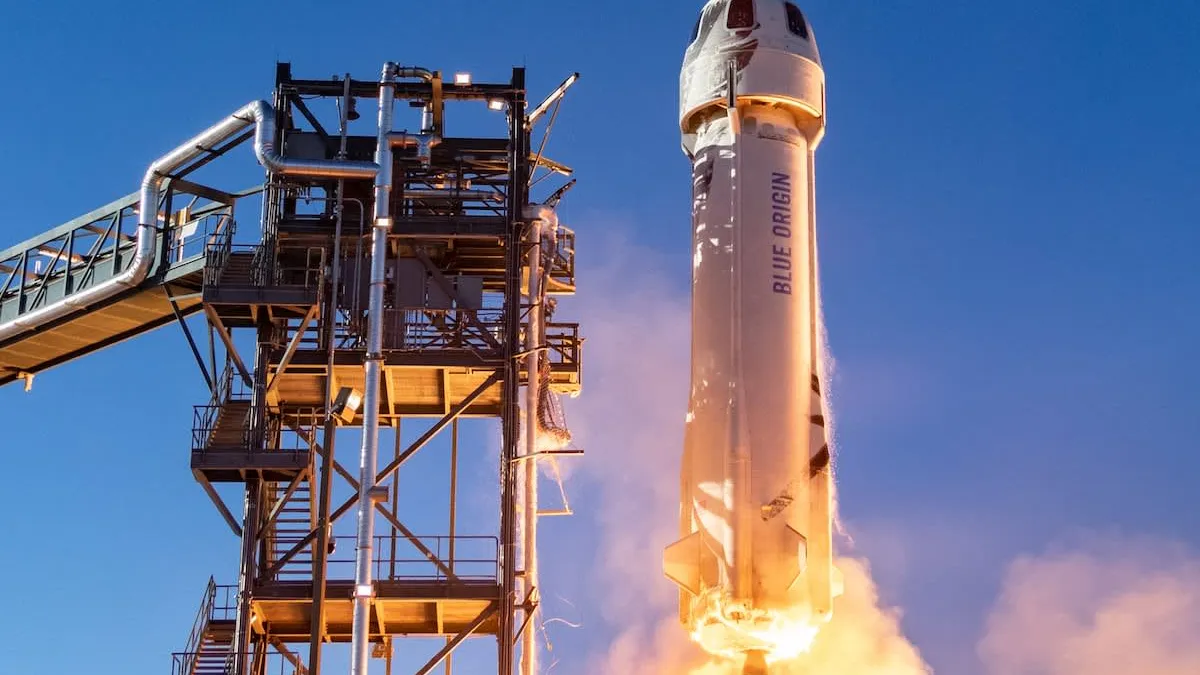
Blue Origin’s Constellation Park campus in Hutto, Texas, represents a $554.78 million capital investment, according to the Texas governor’s office. Blue Origin says the 1.3-million-square-foot complex will support satellite and communications hardware production and add more than 2,000 manufacturing and related jobs over the next 10 years.
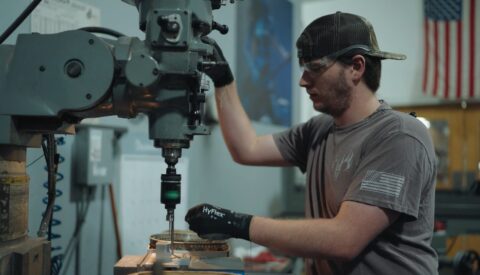
In Grand Prairie, Lockheed Martin announced a $300 million manufacturing expansion focused on munitions. A 24-machine automated machining cell developed with Hadrian is expected to become operational in early 2027. The company also announced 6,000 planned jobs nationwide, including 2,000 in Texas; those figures cover its broader hiring plans.
Lilly Breaks Ground in Virginia
Eli Lilly broke ground October 22 on a $5 billion manufacturing facility in Goochland County, west of Richmond. The site will combine active pharmaceutical ingredient production and finished medicines, including advanced cancer treatments, in Lilly’s first fully integrated facility of its kind.
The project is expected to create 650 new jobs and approximately 1,800 construction jobs. The groundbreaking advances an investment first announced in September 2025.
Bayer Plans an Ohio Manufacturing Campus
Bayer announced a $2.2 billion pharmaceutical manufacturing campus in New Albany, Ohio. The project is expected to generate approximately 600 new jobs and 1,500 construction jobs, supporting medicines for cancer, cardiovascular disease and kidney conditions.
Its schedule shows how far out some capacity additions extend: drug substance manufacturing is expected to begin in 2031, followed by drug product manufacturing in 2034.
GSK Expands in Pennsylvania
Pennsylvania’s October 9 project update outlined GSK’s plans to invest more than $800 million in Upper Merion Township, combining biologics manufacturing with research and development. The state said the project is expected to create more than 300 jobs over five years, with construction planned to begin in 2027.
Audi Selects Georgia for Its First US Plant
Audi announced plans for its first U.S. production plant at Georgia’s Middle Georgia Megasite. The roughly $4 billion facility is expected to create approximately 4,500 jobs and have capacity for up to 200,000 vehicles annually.
Production is planned for the early 2030s. That timetable gives prospective suppliers a long planning horizon, while putting the plant’s contribution to national output several years away.
Future Outlook
The next monthly surveys will help establish whether manufacturers can sustain order growth while bringing delivery delays and costs under better control. S&P’s finding on precautionary inventory building also raises the possibility that some current demand reflects purchases brought forward from later months.
For smaller manufacturers, the new projects offer a reason to identify purchasing contacts and qualification requirements early. Sales forecasts should follow actual construction and production schedules, especially for facilities whose first output is several years away. October’s announcements provide opportunities to pursue now, with revenue expectations grounded in when each plant will need suppliers.