
If you’ve been looking for signals that U.S. manufacturing demand is turning a corner, this week delivered some encouraging evidence. The latest data shows the sector expanding for the second straight month, with new orders climbing and production continuing to rise. Perhaps the most interesting signal: order backlogs are building at the fastest pace since 2022.
That combination usually tells a familiar story. Demand is coming back faster than factories can process it.
But the data also reminds us that manufacturing recoveries rarely move in a straight line. Input costs are rising again, particularly for metals like steel and aluminum. Hiring remains cautious even as production increases. And in critical sectors like defense manufacturing, leaders are still working to expand the supplier base needed to meet growing demand.
In other words, the engine is starting to turn—but some of the gears are still catching up.
The headlines this week highlight an industry navigating two realities at once. On one hand, demand is strengthening across key sectors. On the other, manufacturers are still working through the aftershocks of the past several years: volatile input costs, tight labor markets, and supply chains that need to be rebuilt around more resilient domestic networks.
At the same time, longer-term shifts in where and how things are built continue to unfold. Apple’s expansion of computer manufacturing in Texas is one example of a broader trend toward bringing more advanced production closer to home. And in Washington, policymakers and defense leaders are increasingly focused on expanding the industrial base needed to support national security.
Taken together, the news this week reinforces something many manufacturers already feel on the ground: the reshaping of American manufacturing is underway—but it’s going to play out over years, not quarters.
Main Stories
U.S. Manufacturing Expands for the Second Straight Month
The Story
The Institute for Supply Management reported the U.S. manufacturing sector expanded again in February, with the Manufacturing PMI registering 52.4%, marking the second consecutive month of growth.
Several components of the report point to strengthening demand:
-
New Orders Index: 55.8%
-
Production Index: 53.5%
-
Backlog of Orders: 56.6%, the highest level since May 2022
Why It Matters
Rising orders and growing backlogs suggest that demand for manufactured goods is returning. When order pipelines start filling faster than factories can clear them, it often signals that manufacturers may soon need to increase output or capacity.
The Bigger Picture
Manufacturing is cyclical, and recoveries typically start with exactly this pattern: new orders rise first, production follows, and hiring eventually catches up. The current data suggests the sector may be entering that early phase of recovery.
Factory Orders Confirm the Demand Rebound
The Story
Separate economic data released this week showed U.S. factory orders rising, reinforcing the signals seen in the ISM report. Orders for manufactured goods increased more than expected, pointing to improving industrial demand.
Why It Matters
Factory orders serve as a forward-looking indicator for the manufacturing economy. When orders increase, it usually translates into higher production activity in the months ahead.
The Bigger Picture
Taken together with the ISM data, the numbers suggest that demand across several manufacturing sectors is strengthening after a period of slower growth.
Raw Material Costs Are Climbing Again
The Story
While demand is improving, manufacturers are once again facing rising input costs. The ISM Prices Index jumped to 70.5%, its highest level since June 2022.
Industry reports attribute much of the increase to rising prices for steel and aluminum, two materials used across a wide range of manufacturing sectors.
Why It Matters
Input cost volatility can create significant challenges for manufacturers, particularly small and mid-sized firms that often have less flexibility in absorbing sudden price increases.
The Bigger Picture
The post-pandemic supply chain environment continues to produce waves of cost volatility. Even as demand stabilizes, manufacturers must remain agile in managing supplier relationships and material sourcing.
Apple Expands Computer Manufacturing in Texas
The Story
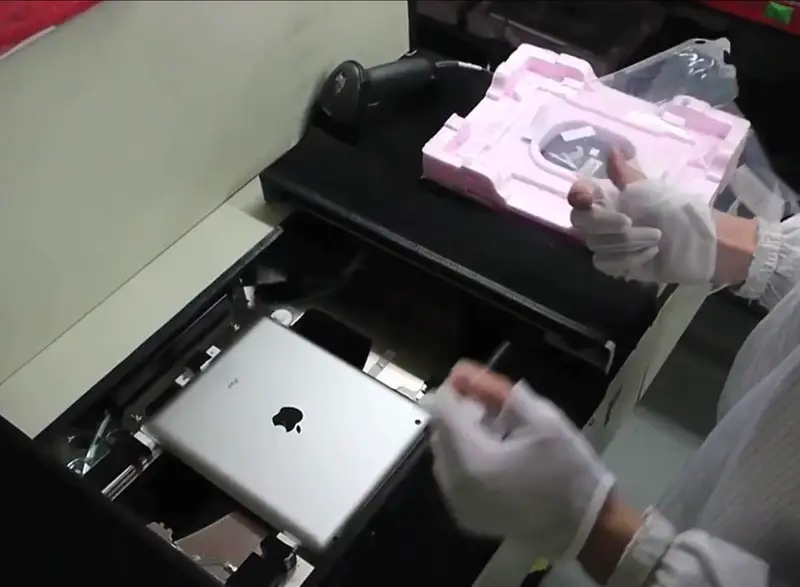
Apple announced plans to begin producing Mac mini computers in the United States, expanding its manufacturing operations in Houston, Texas.
The expansion will double the footprint of Apple’s Houston facility and include production for AI servers as well as a 20,000-square-foot advanced manufacturing training center.
Why It Matters
Technology companies increasing domestic manufacturing capacity could create new opportunities for U.S. suppliers and contract manufacturers.
The Bigger Picture
As companies reassess global supply chains, some advanced technology production is gradually shifting closer to U.S. markets.
Defense Supply Chains Still Struggle to Expand Supplier Base
The Story
Defense industry leaders continue to report difficulty expanding the number of suppliers supporting military programs. Many defense supply chains remain concentrated among a relatively small group of contractors.
Why It Matters
Limited supplier diversity can create bottlenecks when demand for military equipment increases.
The Bigger Picture
Expanding the defense industrial base increasingly means tapping into the broader commercial manufacturing ecosystem.
Around the Horn
-
Manufacturing employment remains in contraction, with the ISM Employment Index at 48.8%, even as production and orders rise.
-
Regional manufacturing surveys showed mixed conditions, highlighting uneven economic activity across different parts of the country.
-
Federal investments in semiconductor supply chains continue, part of ongoing efforts to expand domestic chip manufacturing capacity.