
Steady Growth Under Strain: What Small Manufacturers Are Experiencing
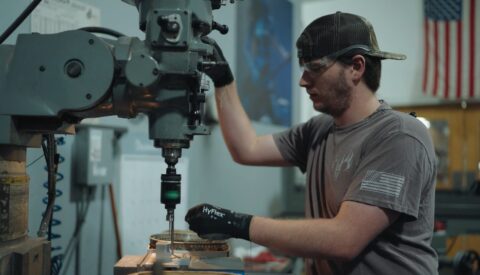
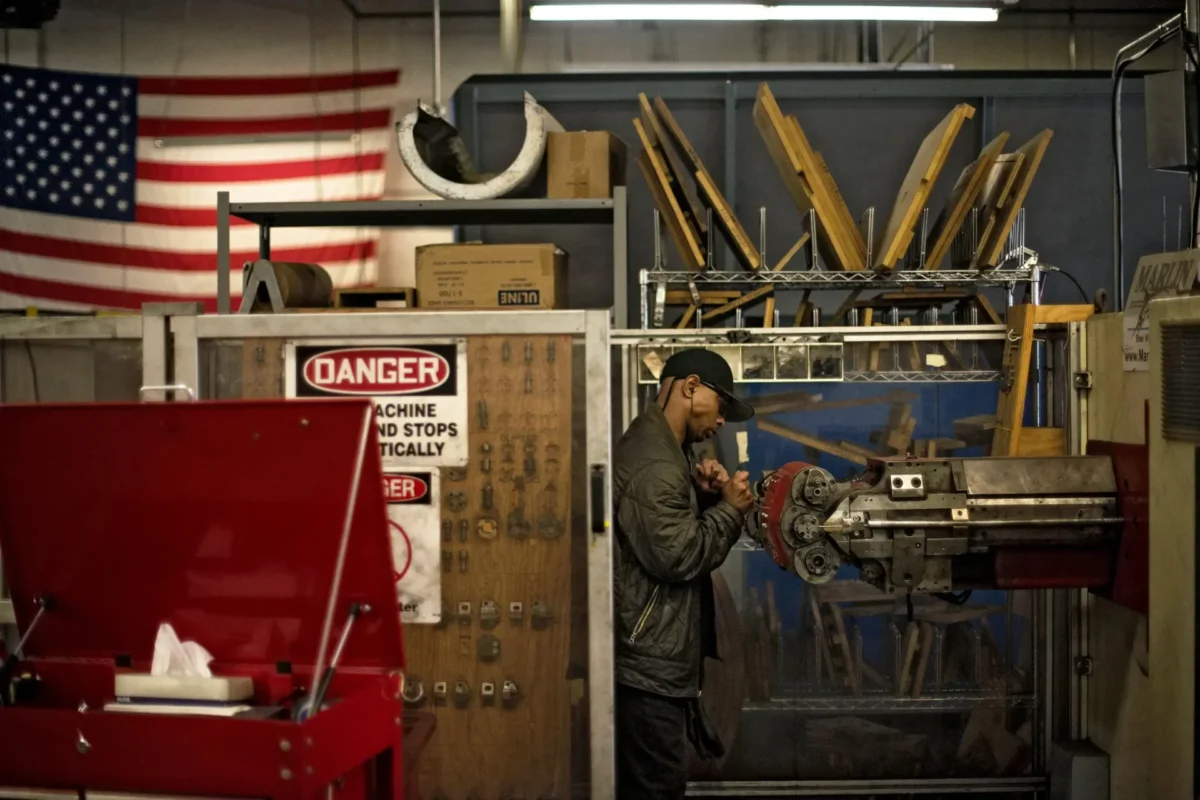
The signal coming out of manufacturing this week isn’t slowdown—it’s selectivity. According to the latest data, U.S. business activity remained stable in January, with manufacturing still in expansion territory but at a more moderate pace as price pressures and hiring challenges persist. For America’s small manufacturers, this is an environment where execution matters more than expansion, and operational discipline pays dividends.
This kind of cycle rewards the backbone of U.S. manufacturing—the long tail of small and mid-sized shops that know how to run tight operations, protect margins, and deliver reliably for customers they’ve worked with for years. When labor is constrained and inputs remain expensive, advantage accrues to manufacturers with strong relationships, flexible capacity, and deep process knowledge.
Long-Term Capacity: Intel’s Ohio Project and Ecosystem Impacts
Long-term industrial investments continue to move forward even in a modest growth environment. Intel’s Ohio semiconductor project is showing visible construction progress and active contractor hiring, signaling forward momentum despite prior delays. Backed by CHIPS Act incentives, this facility highlights that rebuilding strategic manufacturing capacity is a decade-scale endeavor.
But the real long-term value isn’t just the fab itself—it’s the supplier networks and specialized workforce that must cluster around it. Semiconductor fabs only become national assets when small and niche manufacturers are integrated into their ecosystems.
Global Competition Intensifies: India, EU and the Strategic Shift
Zoom out and the competitive landscape sharpens further. At the World Economic Forum in Davos, executives discussed how India is emerging as a major electronics manufacturing hub, challenging traditional supply chains. Around the same time, Germany and Italy unveiled a pro-industry alliance aimed at deregulation and strengthening EU manufacturing competitiveness.
These developments show that other regions are not just competing on costs but coordinating policy, capital, and regulatory incentives to capture industrial capacity.
Why This Matters: Networks, Policy, and the Future of U.S. Manufacturing
The race for manufacturing capacity is no longer just about headline investments. It’s about networks and ecosystems—how small manufacturers are connected into supply chains, how policy supports their growth, and how global competitors are aligning strategy at the national level.
The U.S. still has a distributed advantage in small-business manufacturing, but sustaining that edge requires policy choices that help connect, sustain, and scale these networks rather than concentrate opportunity only at the top. Growth is happening. Competition is intensifying. The countries that win will be the ones that turn steady activity into resilient, relationship-driven manufacturing ecosystems.